Top 10 Electronic Devices Used In Daily Life.


In today's hyper-connected world, electronic devices have become so integrated into our routines that it's hard to imagine life without them. From the moment we wake up to the time we go to sleep, these gadgets play crucial roles in communication, work, entertainment, and even basic daily tasks.
This comprehensive guide will explore the 10 most commonly used electronic devices in our daily lives, highlighting their importance and impact.
Table of Contents
Introduction: The Ubiquitous Nature of Electronic Devices
The Top 10 Electronic Devices in Daily Life
Smartphone
Laptop/Desktop Computer
Television
Wireless Headphones/Earbuds
Smartwatch/Fitness Tracker
Tablet
Smart Speaker
E-reader
Gaming Console
Digital Camera
The Impact of These Devices on Our Daily Routines
Trends Shaping the Future of Everyday Electronics
Conclusion: Embracing the Electronic Ecosystem
FAQ: Your Questions Answered
Keywords
1. Introduction: The Ubiquitous Nature of Electronic Devices
Electronic devices have revolutionized the way we live, work, and interact. They are no longer just luxuries but essential tools that enhance productivity, provide entertainment, and keep us connected to the world around us. Understanding the most prevalent of these devices helps us appreciate their influence and navigate our increasingly digital existence.
2. The Top 10 Electronic Devices in Daily Life
Here are 10 electronic devices that have become integral to our daily routines:
Smartphone
The smartphone is arguably the most indispensable electronic device for most people. It serves as a primary tool for communication (calls, texts, emails), accessing information (internet browsing), navigation (maps), entertainment (music, videos, games), photography, and managing daily tasks (alarms, calendars, banking apps).
Laptop/Desktop Computer
Whether for work, education, creative projects, or staying connected with loved ones through social media and video calls, laptops and desktop computers remain essential. They offer more processing power and a larger screen for tasks that require greater focus and productivity.
Television
The television is a central hub for entertainment in many households. From watching movies and TV shows to playing video games and streaming content, it provides a shared viewing experience and access to a vast array of visual media. Smart TVs have further expanded their capabilities by integrating internet connectivity and streaming apps.
Wireless Headphones/Earbuds
Wireless audio devices have become increasingly popular for their convenience and freedom of movement. Whether for listening to music on the go, taking calls hands-free, or enjoying immersive audio experiences, wireless headphones and earbuds have become a daily essential for many. Noise-cancelling technology further enhances their appeal in busy environments.
Smartwatch/Fitness Tracker
Wearable technology like smartwatches and fitness trackers have gained significant traction due to their ability to monitor health metrics (heart rate, sleep patterns, activity levels), provide notifications from smartphones, and even perform basic tasks like making contactless payments. They help users stay informed about their well-being and connected without constantly checking their phones.
Tablet
Tablets offer a versatile middle ground between smartphones and laptops. They are portable and convenient for browsing the internet, reading e-books, watching videos, playing games, and even light productivity tasks. Their larger screen size compared to smartphones makes them ideal for content consumption and creative activities like digital drawing.
Smart Speaker
Smart speakers have become common in homes, serving as voice-controlled assistants that can play music, set alarms, provide weather updates, answer questions, control other smart home devices, and manage shopping lists. They offer a hands-free way to interact with technology and streamline various daily tasks.
E-reader
For avid readers, e-readers provide a dedicated device for enjoying digital books. Their e-ink screens are designed to mimic the look of paper, reducing eye strain and offering a more comfortable reading experience, especially for extended periods. They can store thousands of books in a portable format.
Gaming Console
Gaming consoles provide immersive entertainment experiences for individuals and families. They offer access to a wide variety of video games, as well as streaming services and other multimedia content. For many, gaming is a significant part of their daily leisure activities.
Digital Camera
While smartphones have capable cameras, dedicated digital cameras still hold appeal for those who prioritize image quality and more advanced photographic controls. From capturing family moments to pursuing photography as a hobby, digital cameras offer features and performance that smartphones may not fully replicate.
3. The Impact of These Devices on Our Daily Routines
These 10 electronic devices have profoundly impacted our daily routines:
Communication: Smartphones, laptops, and tablets facilitate instant communication across the globe.
Information Access: The internet, accessible through these devices, provides immediate access to a vast amount of information.
Entertainment: From streaming services on TVs and tablets to music on headphones and games on consoles, entertainment is readily available.
Productivity: Laptops and tablets are essential tools for work and education, enabling document creation, data analysis, and online collaboration.
Health and Wellness: Smartwatches and fitness trackers help us monitor our physical activity and sleep patterns, promoting healthier lifestyles.
Convenience: Smart speakers and other smart home devices automate tasks and provide hands-free control over our environment.
4. Trends Shaping the Future of Everyday Electronics
Several trends are shaping the future of the electronic devices we use daily:
Increased Connectivity: Seamless integration and communication between different devices.
Artificial Intelligence (AI): AI-powered features that personalize user experiences and automate tasks.
Foldable and Flexible Displays: Devices with screens that can bend and fold, offering greater versatility.
Improved Battery Life: Longer-lasting power sources reducing the need for frequent charging.
Sustainability: A growing focus on eco-friendly materials and energy-efficient designs.
Augmented Reality (AR) and Virtual Reality (VR): More integration of immersive technologies into everyday devices.
5. Conclusion: Embracing the Electronic Ecosystem
The 10 electronic devices discussed here have become fundamental to our daily lives, shaping how we interact with the world and each other. As technology continues to advance, these devices will likely become even more integrated and essential, further blurring the lines between our physical and digital experiences. Embracing this electronic ecosystem, while being mindful of its impact, allows us to leverage the many benefits these devices offer.
FAQ: Your Questions Answered
Q1: Is it possible to live without these electronic devices in today's world? A1: While technically possible for some, it would be significantly challenging for most people due to the reliance on these devices for communication, work, education, and access to essential services.
Q2: Which of these devices is considered the most important? A2: For many, the smartphone is considered the most important due to its versatility and the wide range of functions it performs. However, the "most important" device can vary depending on individual needs and lifestyles.
Q3: Are there any negative impacts of relying so heavily on electronic devices? A3: Yes, potential negative impacts include eye strain, sleep disturbances, social isolation, dependence, and privacy concerns. It's important to use these devices mindfully and maintain a healthy balance.
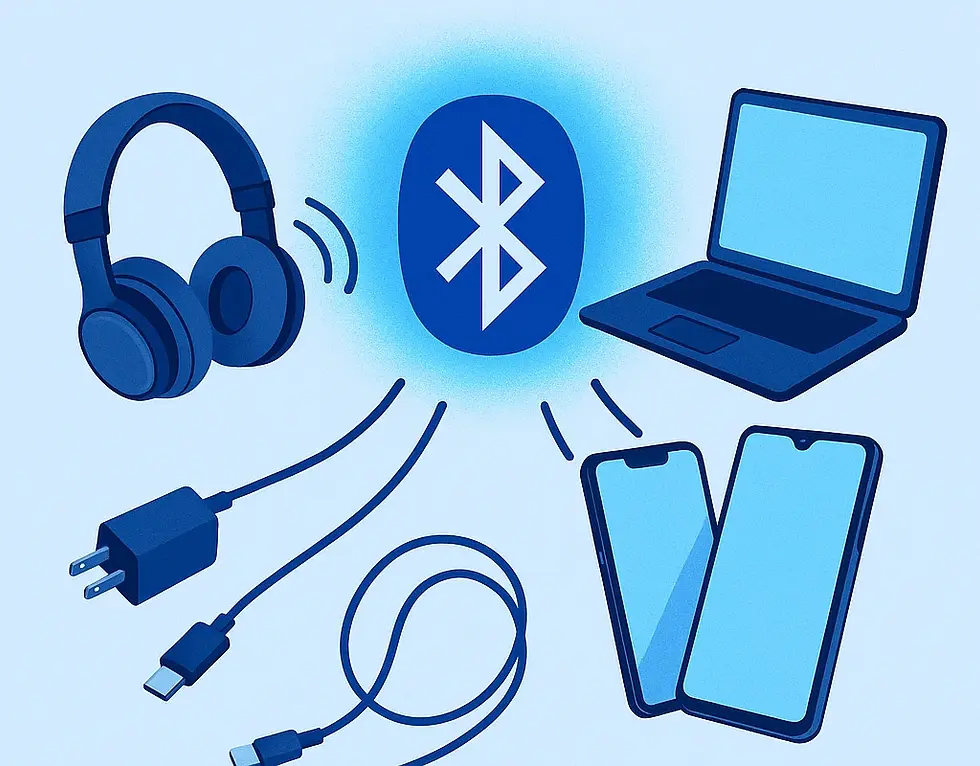
Q4: How are these devices becoming more interconnected? A4: They are becoming more interconnected through technologies like Bluetooth, Wi-Fi, and cloud services, allowing for seamless data sharing, control across devices, and integrated user experiences within ecosystems like smart homes.
Q5: What are some tips for managing the use of multiple electronic devices? A5: Tips include setting time limits for device usage, designating tech-free zones, prioritizing real-world interactions, and being mindful of how technology is impacting your well-being.


Comments